

Free Book Review Submission Platform - Planet's Best Book Reviews
  • Share this:

The Women

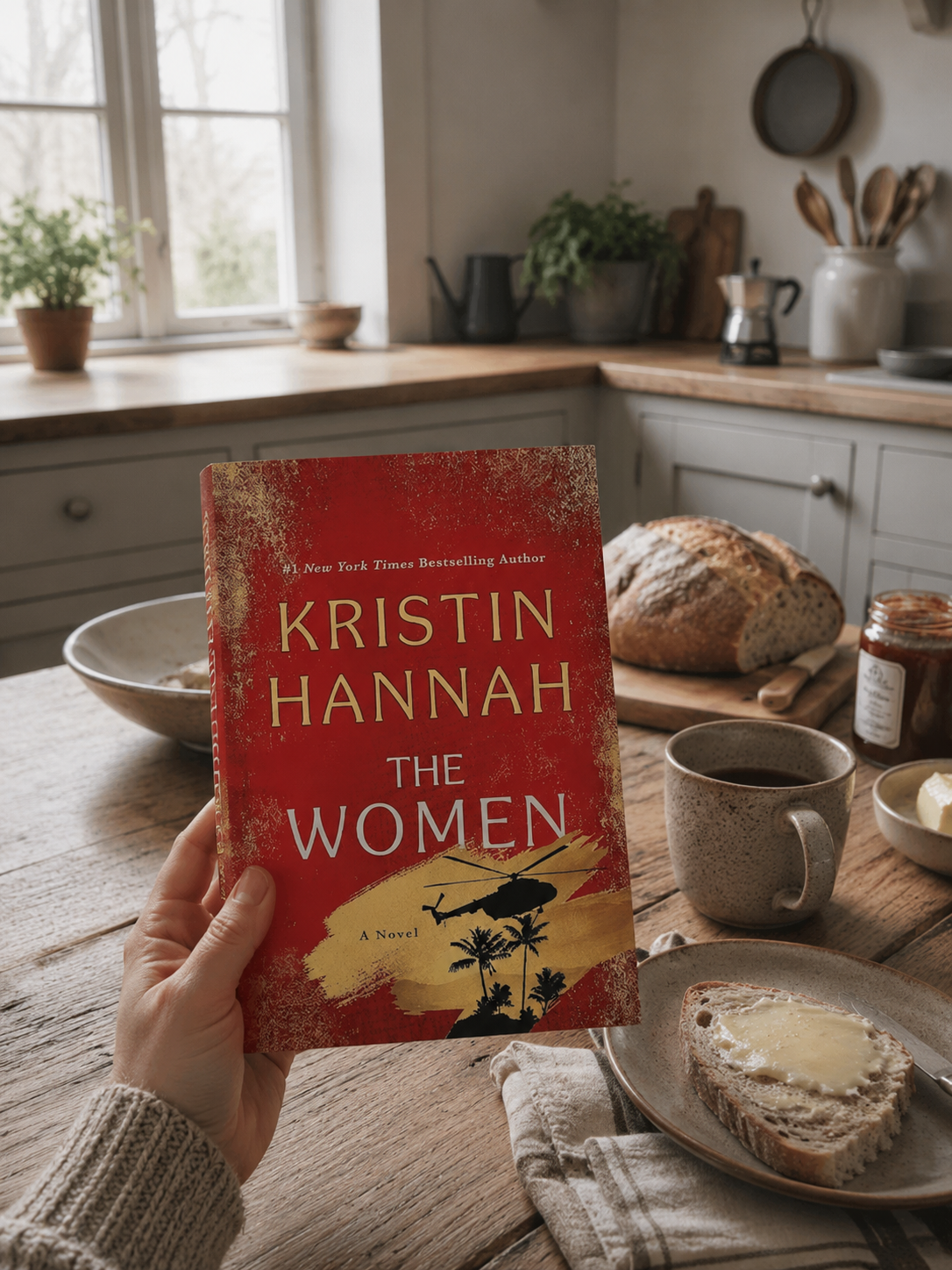
The kitchen was unusually quiet that morning. Fresh bread had just come out of the oven, coffee was still warm, and soft winter light drifted through the window, settling across the wooden table. It was the kind of morning that invites slow rituals. A slice of bread, a second cup of coffee, and a few uninterrupted chapters before the rest of the day begins. Holding The Women in that peaceful setting created an unexpected contrast. There was comfort all around me, yet the story I was about to step into would spend the next several hours exploring the cost of war, the weight of memory, and the lives that often disappear from history's spotlight.

Kristin Hannah has a remarkable ability to write historical fiction that feels deeply personal, and The Women may be one of her most emotionally focused novels to date. Set against the backdrop of the Vietnam War, it follows Frances "Frankie" McGrath, a young nursing student whose decision to serve overseas changes the course of her life in ways she never anticipates. While the novel captures the realities of war, its greatest strength lies in what happens after the battlefield. It is ultimately a story about identity, recognition, and the challenge of finding your place in a world that struggles to acknowledge your sacrifices.

Frankie is the kind of protagonist who grows gradually rather than dramatically. When the novel begins, she carries a certain innocence that feels appropriate for her age and circumstances. Watching that certainty slowly unravel under the pressures of war is one of the book's most compelling elements. Hannah allows Frankie to evolve through experience rather than sudden revelation, making her transformation feel earned. By the end, she is recognizably the same person, yet profoundly changed by everything she has endured.

One of the aspects I admired most was Hannah's portrayal of military nurses. Popular narratives about Vietnam often center on soldiers, leaving little room for the women who served in hospitals under extraordinary conditions. The novel shines a light on those overlooked experiences without feeling like a history lesson. Through Frankie's perspective, readers gain an understanding of the emotional and physical demands placed on medical personnel, as well as the invisible burdens they carried long after returning home.

The friendships within the novel deserve equal recognition. Hannah writes female relationships with warmth and authenticity, allowing them to become emotional anchors throughout the story. These connections provide moments of humor, resilience, and comfort that balance the novel's heavier themes. Some of the conversations between the women stayed with me longer than the larger historical moments because they felt so deeply human.

The prose is accessible and emotionally direct. Hannah has never been an author who hides behind elaborate language, and that straightforward style works particularly well here. She tells the story with clarity, allowing the emotional weight to emerge naturally through the characters rather than relying on ornate description. The pacing remains steady throughout much of the novel, moving confidently between wartime experiences and the difficult realities of returning home.

What affected me most was the novel's exploration of what happens after survival. Many stories about war conclude once people leave the battlefield. The Women spends considerable time examining the emotional aftermath, asking what it means to come home carrying experiences that few people around you are willing or able to understand. Those sections felt especially powerful because they shifted the focus away from conflict itself and toward its lasting psychological consequences.

If I had one reservation, it would be that certain emotional moments occasionally lean toward sentimentality. Hannah is unafraid to write from the heart, and while that openness often strengthens the novel, there were a few scenes where I wished for a little more restraint. Even so, those moments never overshadow the sincerity of the story. They reflect an author deeply invested in her characters and the history she is trying to honor.

Beyond its historical setting, The Women raises enduring questions about courage, recognition, and whose stories are preserved within public memory. It quietly challenges assumptions about heroism by reminding readers that service takes many forms, not all of which receive equal acknowledgment. That perspective gives the novel a significance that extends beyond its historical context.

As I finished the final chapters, breakfast had long since disappeared from the table, the coffee had gone cold, and the quiet kitchen somehow felt different. Some novels leave you thinking about their plot. Others leave you thinking about the people who inspired them. The Women belongs firmly in the second category. It is a compassionate, thoughtfully researched novel that gives overdue attention to a generation of women whose contributions were too often overlooked. Readers who appreciate character-driven historical fiction, particularly stories that explore resilience without simplifying its cost, will find much to reflect on long after closing the book.

0 0

Trending Posts

Planet's Best Book Reviews

Sign up now and join the community of best book reviewers.
Advertisement Inquiry - info@ehardback.com

Sign Up